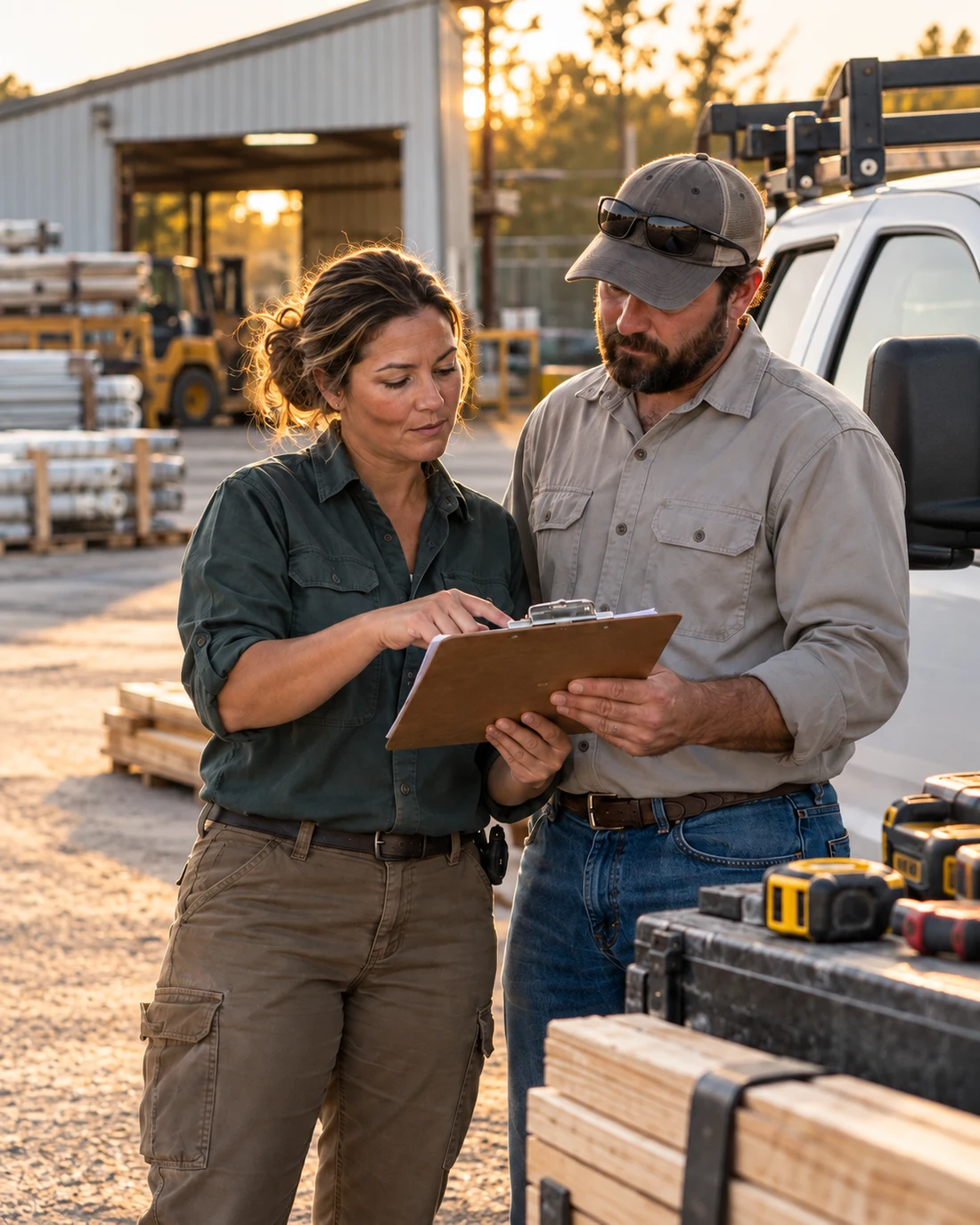
Liability + Job-Site Risk
Understand how General Liability may fit into the contractor’s broader insurance program.
HOW THE WORK GETS DONE
Built Around the Way You Work
A contractor does not have one risk.
Your business may depend on vehicles, tools, equipment, employees, job sites, contracts, and property working together every day.
Our approach starts with how your company actually performs the work, then identifies which Business Insurance conversations belong around the operation.
Prefer to talk? Call 281-697-6215.
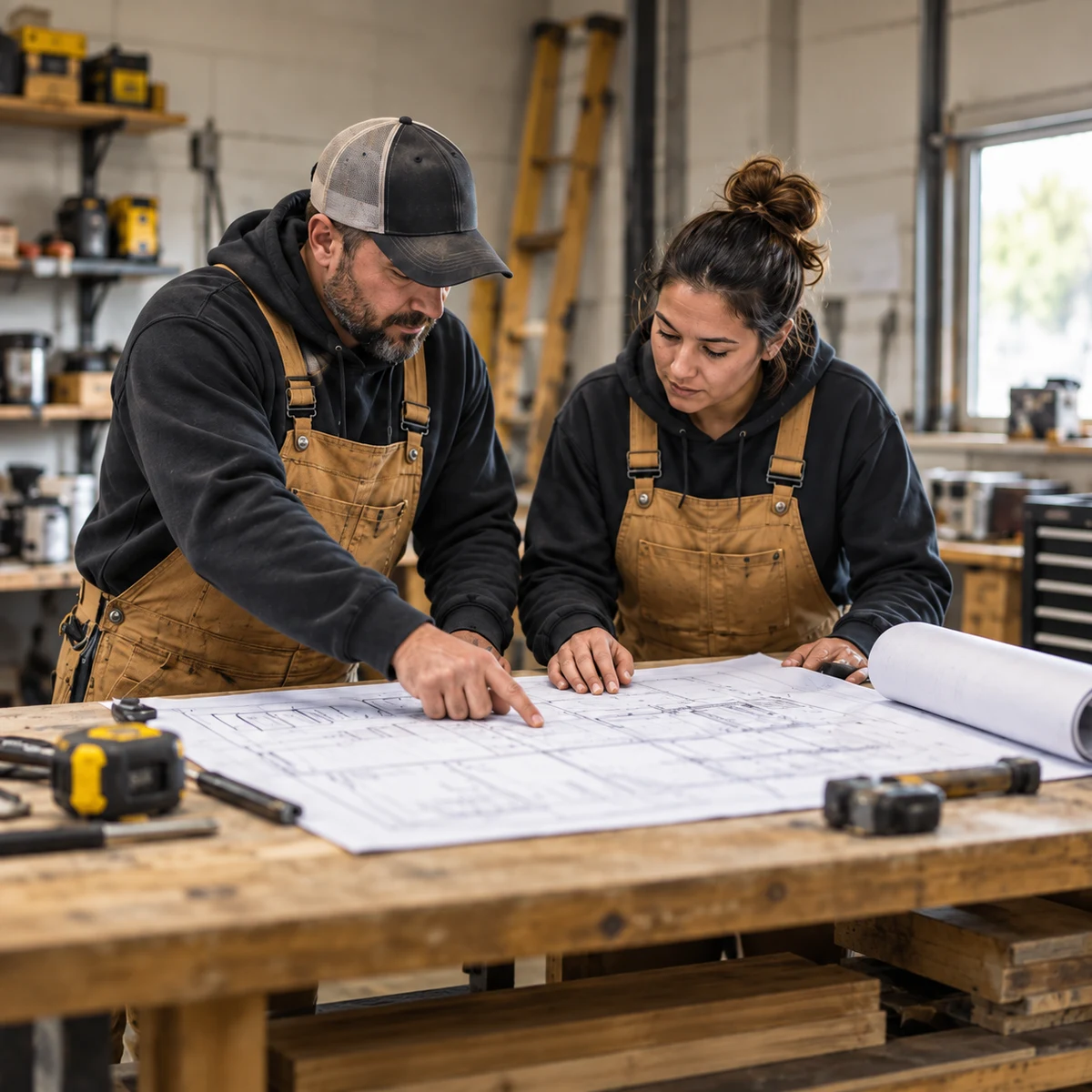
Understand how General Liability may fit into the contractor’s broader insurance program.
Review work trucks, vans, drivers, and business vehicle use.
Discuss shops, equipment, tools, and other property the company depends on.
A locally led agency helping contractors and trade businesses throughout Texas.
THE BUSINESS IS MORE THAN ONE POLICY
Completing one job can involve people, vehicles, tools, equipment, property, contracts, and work performed at someone else’s location.
Work at customer homes, commercial properties, construction sites, and other job locations can create liability questions.
Work trucks, service vans, drivers, crews, and daily business use deserve their own insurance conversation.
Contractor property may move from the shop to a vehicle, then to a job site, and back again.
Employees, subcontractors, payroll, project requirements, and larger contracts can change the broader insurance picture.
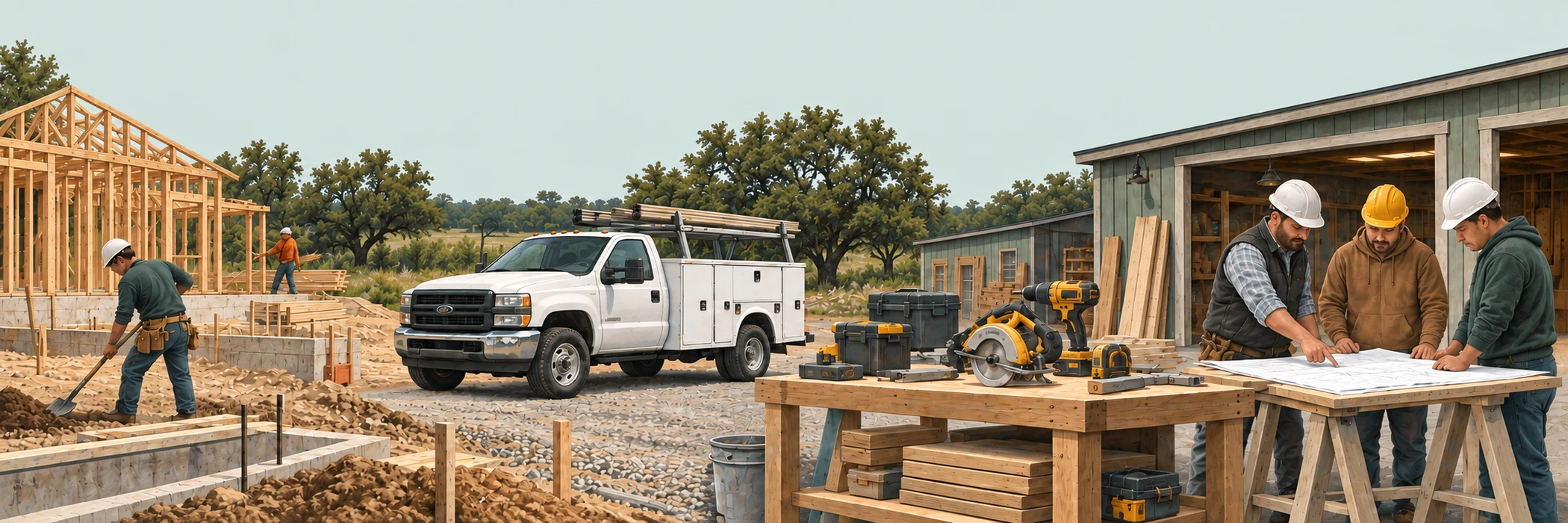
Contractor Insurance should reflect the operation rather than force every contractor into the same package.
BUILT FOR THE TRADES

Contractors coordinating projects, crews, vehicles, tools, equipment, and customer requirements.
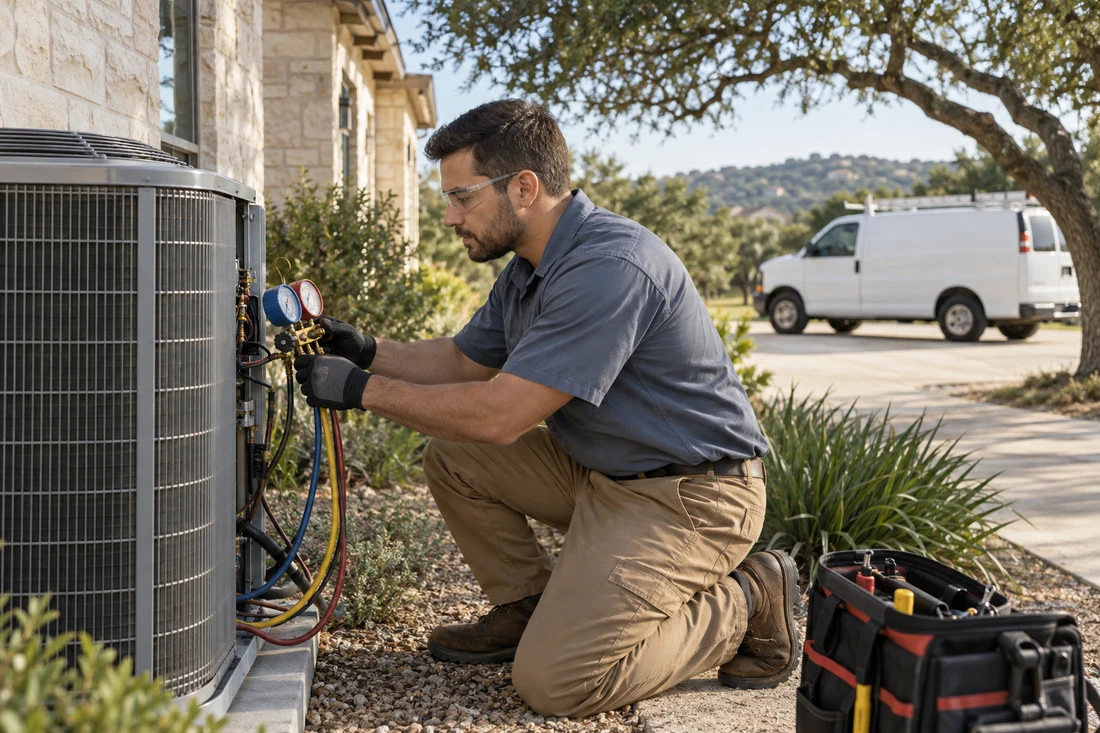
Field-service businesses relying on technicians, vehicles, tools, and equipment.
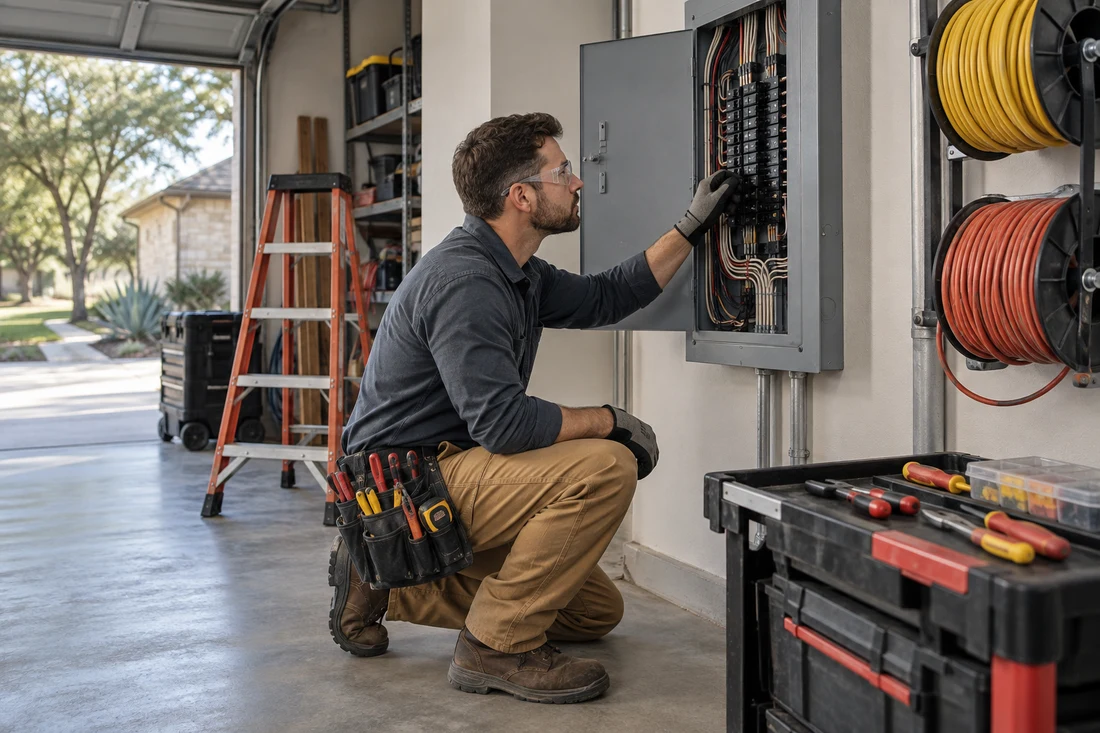
Businesses working at homes, commercial properties, and job sites.
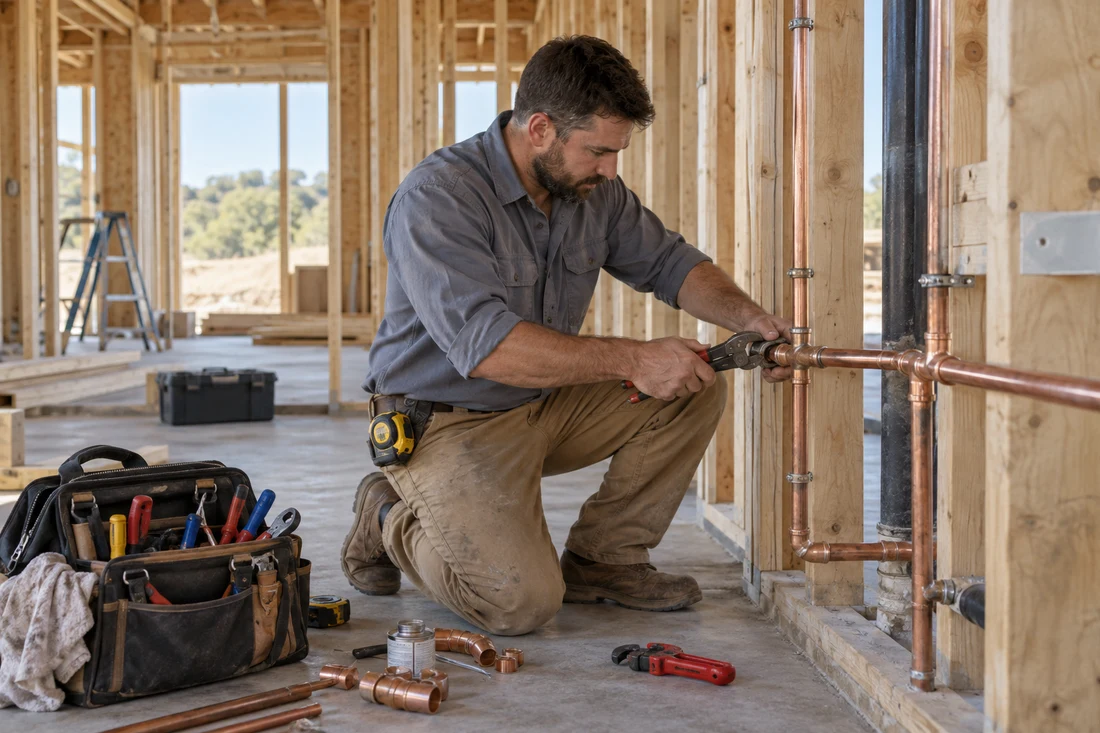
Service businesses using vehicles, equipment, employees, and customer locations.
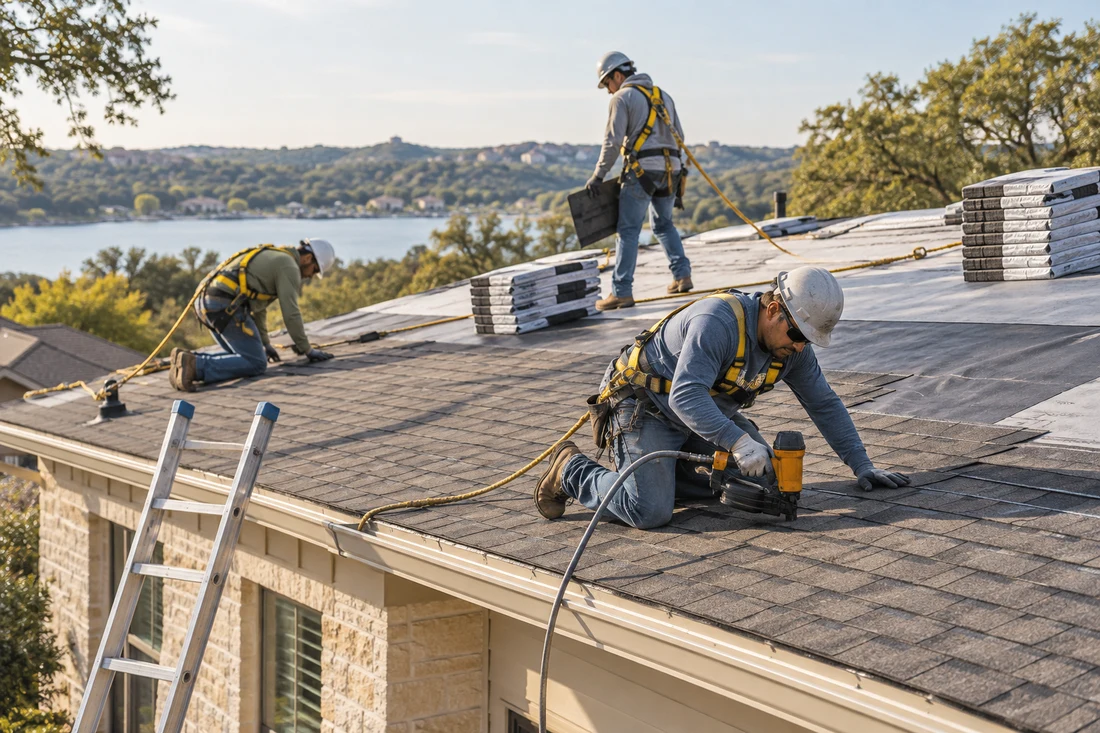
Contractors with trade-specific operations and underwriting considerations.
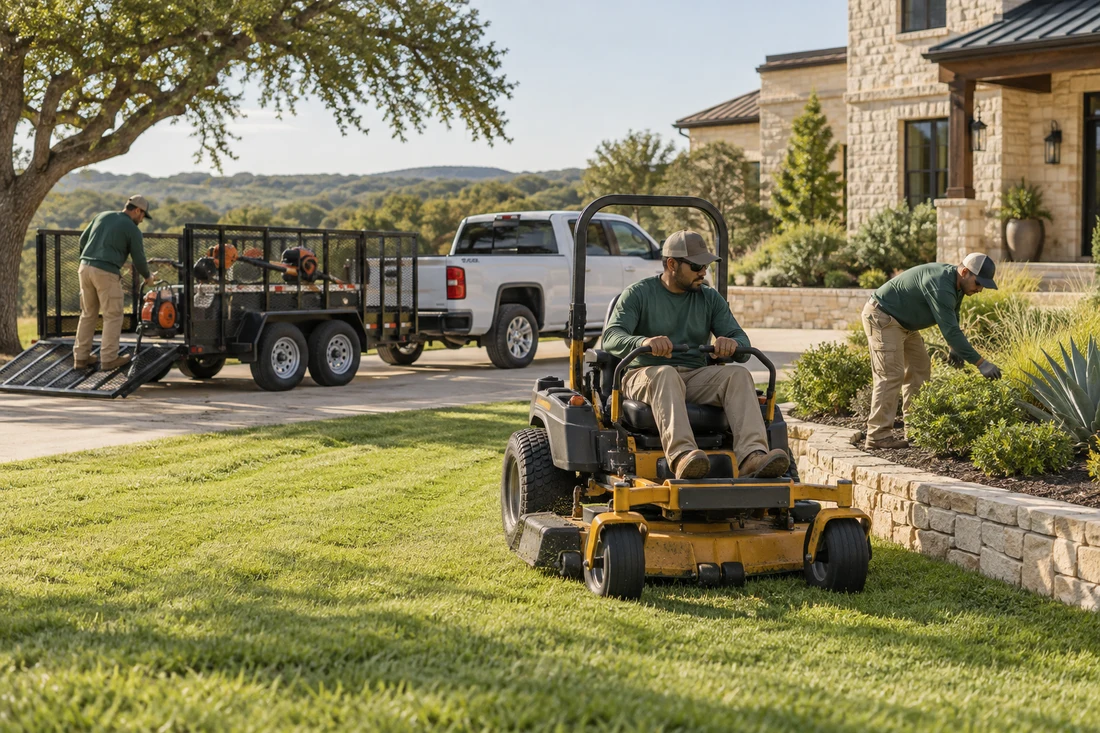
Companies using vehicles, trailers, tools, equipment, and crews at customer properties.
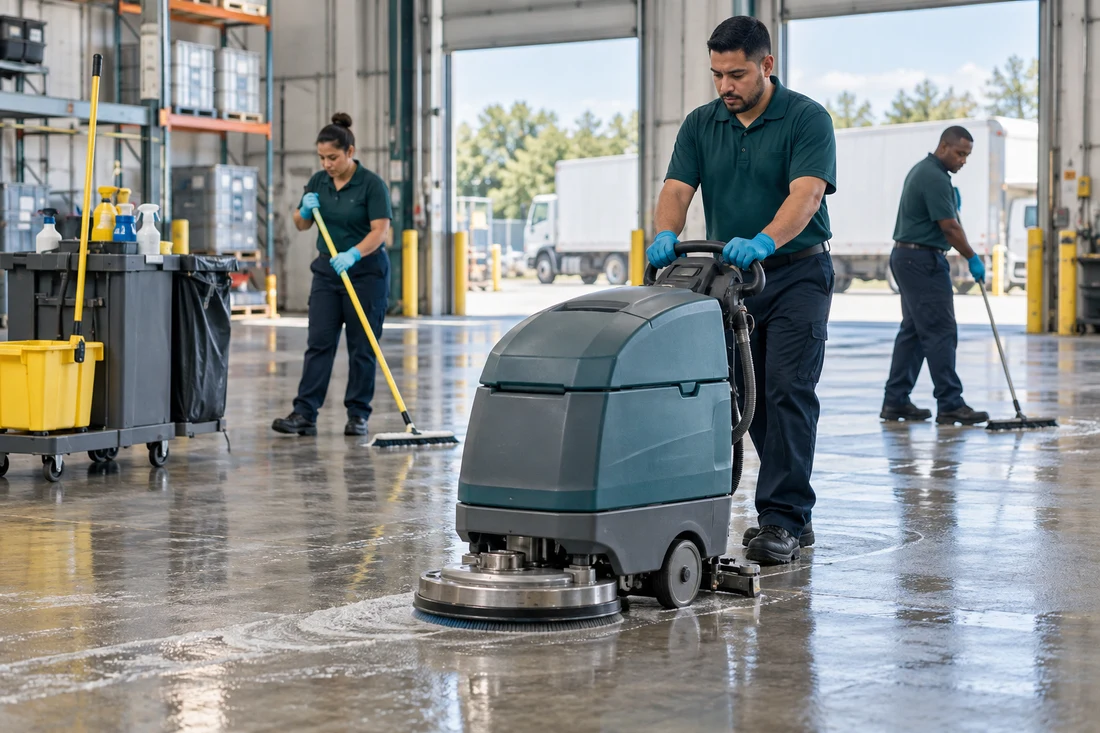
Service companies regularly entering customer homes, offices, and commercial properties.
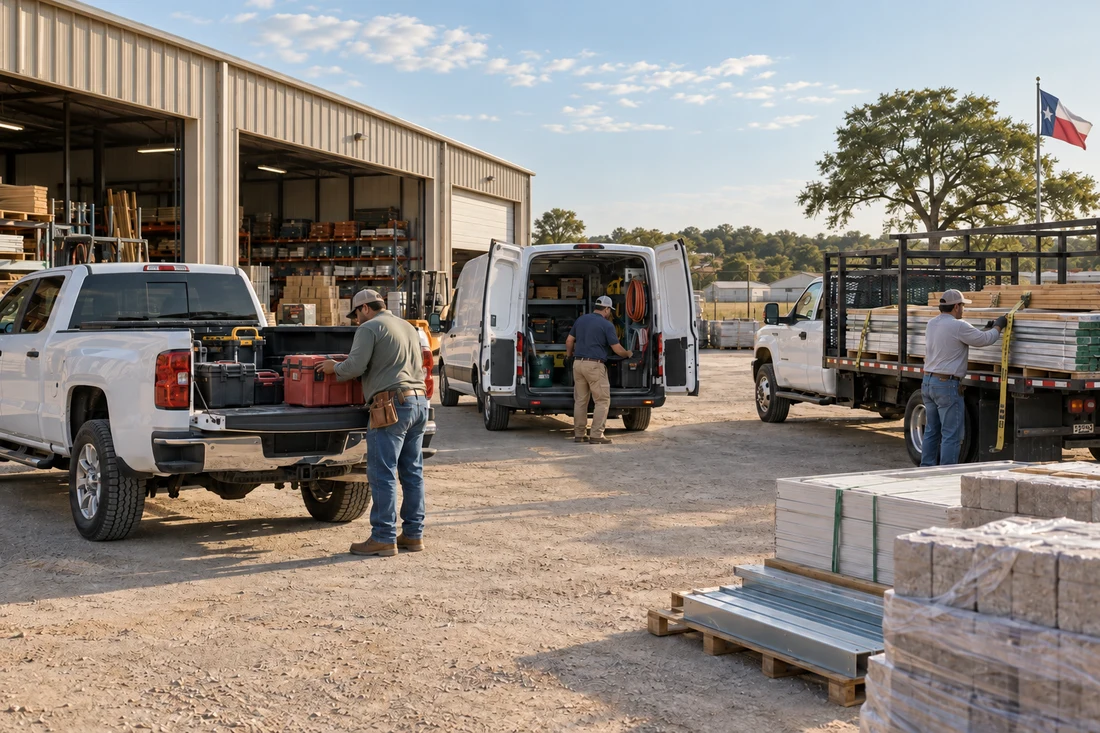
Contractors expanding vehicles, employees, equipment, territory, and project size.
WHEN THE OPERATION CHANGES
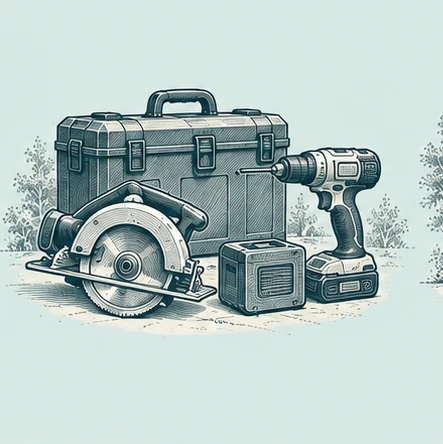
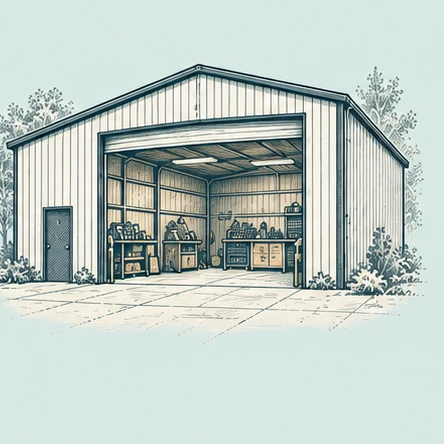
Growth can happen gradually.
Your insurance should have an opportunity to keep up with the contractor business you operate today.
THE CORE COVERAGE CONVERSATIONS
There is no universal insurance package that fits every contractor.

A core contractor liability conversation for work performed at customer locations, job sites, and other eligible business operations.
Explore General Liability Insurance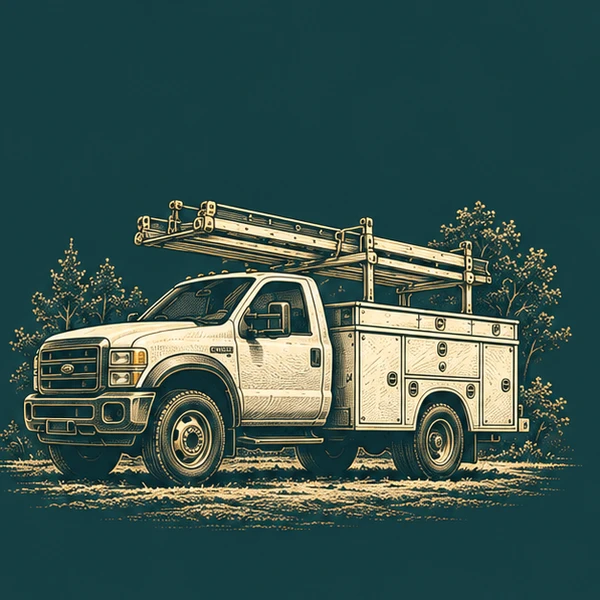
For eligible work trucks, service vans, company vehicles, drivers, and other business vehicle use.
Explore Commercial Auto Insurance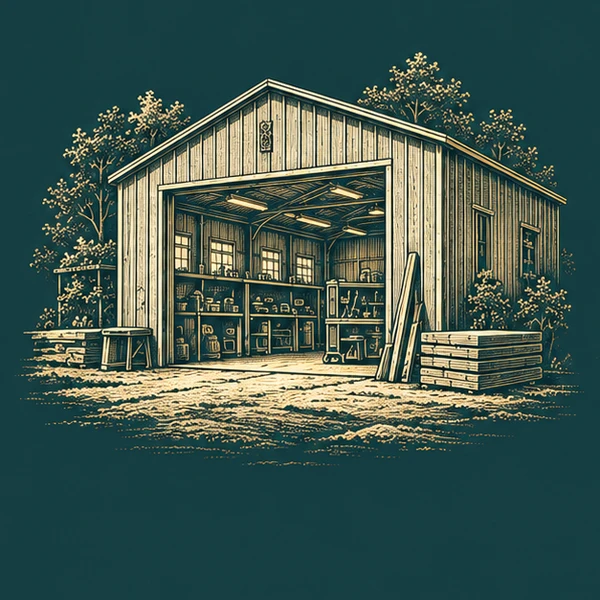
For eligible shops, offices, buildings, contents, equipment, and other fixed business property.
Explore Commercial Property Insurance
A potential packaged commercial solution for qualifying contractor businesses.
Explore Business Owner’s Policy InsuranceThe goal is not to sell every contractor every available policy.
It is to understand which coverage conversations belong around the operation.
TOOLS DON’T ALWAYS STAY IN ONE PLACE
Tools and equipment can be among a contractor’s most important business assets.
But contractor property often moves.
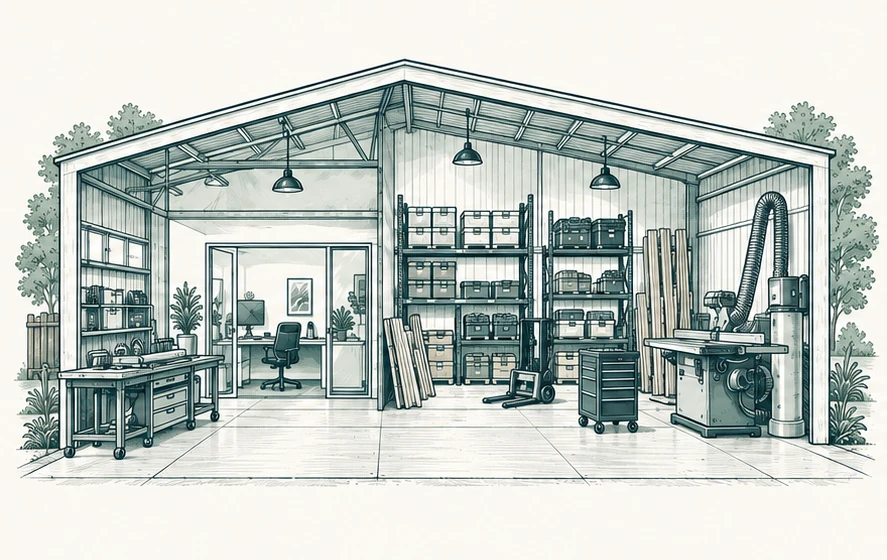
Commercial Property Insurance may be relevant depending on the property, location, policy, and available coverage.
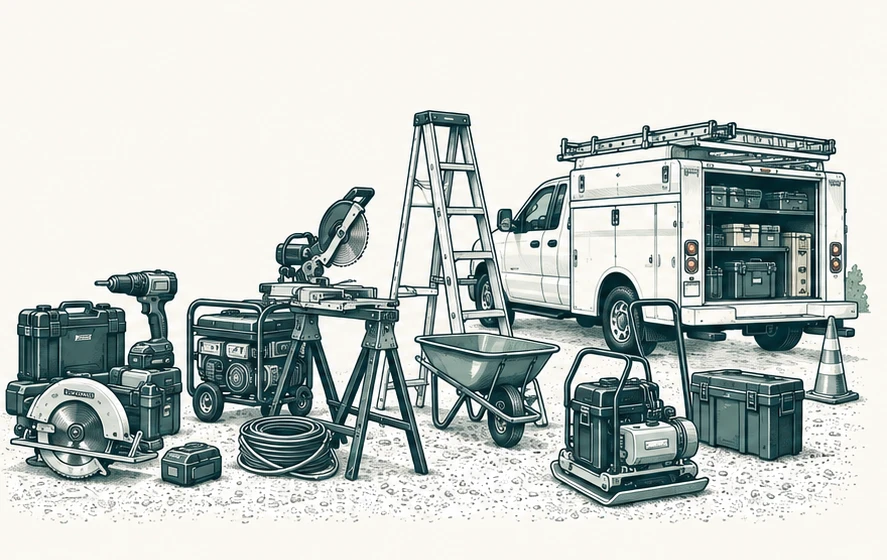
Property that moves between locations may require a separate tools-and-equipment or Inland Marine conversation depending on available coverage.
Do not automatically assume Commercial Property Insurance protects every tool or piece of equipment everywhere it travels.
THE VEHICLE MAY BE PART OF THE JOB
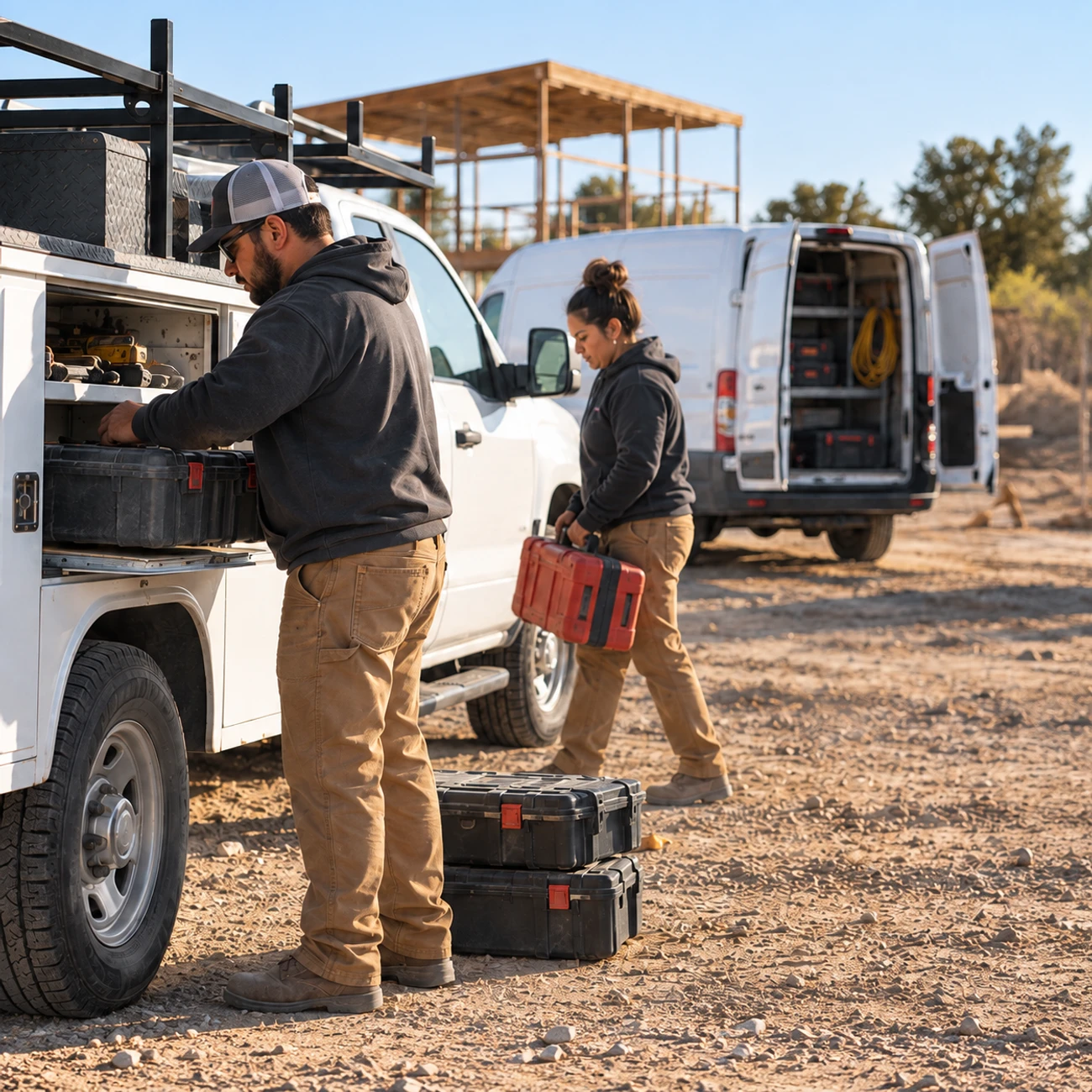
Contractors frequently depend on vehicles to reach customers, move employees, carry tools, transport materials, and support crews.
Business vehicle use deserves its own review.
Do not automatically assume Personal Auto Insurance handles contractor vehicle use the same way as Commercial Auto Insurance.
Explore Commercial Auto InsuranceHIRING CHANGES THE BUSINESS
Adding employees can change payroll, vehicle use, crew size, job responsibilities, and workplace exposures.
Workers’ Compensation may deserve discussion depending on the business, contracts, employee classifications, payroll, carrier availability, and other circumstances.
THE DETAILS MATTER
Many contractors use subcontractors as part of their operations.
The insurance conversation can depend on:
Do not assume subcontractor relationships are treated the same by every policy or carrier.
If your company regularly uses subcontractors, make that part of the conversation.
BEFORE THE JOB STARTS
A larger contract may introduce requirements that did not exist on smaller jobs.
Do not wait until the day before work begins to find out what the customer or general contractor is requesting.
If you do not currently carry the insurance being requested, begin with our Business Insurance team.
If you already have applicable Business Insurance and need a Certificate of Insurance, our service team can help.
Request a Certificate or ServiceA Certificate of Insurance provides information about coverage in place.
It does not automatically change the policy or guarantee that every contractual requirement has been satisfied.
THE CONTRACT ISN’T THE WHOLE BUSINESS
Specific insurance requirements connected to one job or agreement.
Meeting one contract requirement does not automatically answer every insurance question facing the contractor business.
WHAT CAN AFFECT THE PRICE?
There is no single price called “Contractor Insurance.”
An accurate Contractor Insurance quote starts with understanding the business behind the policy request.
KEEP COVERAGE CURRENT WITH THE OPERATION
Contractors may also have vehicles, tools, equipment, employees, and property.

Business vehicle use deserves a separate review.
The policy should have an opportunity to keep up as the company changes.

A growing contractor may accumulate substantial business property over time.
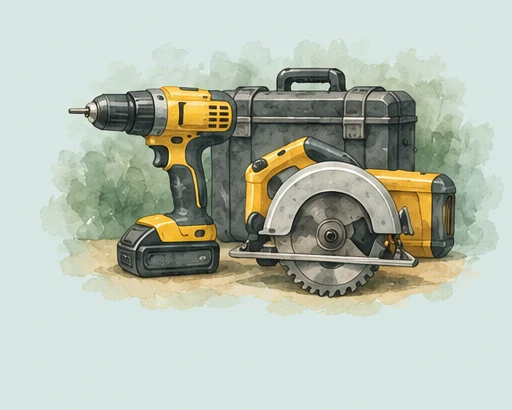
Meeting a contract requirement does not automatically address the broader contractor operation.

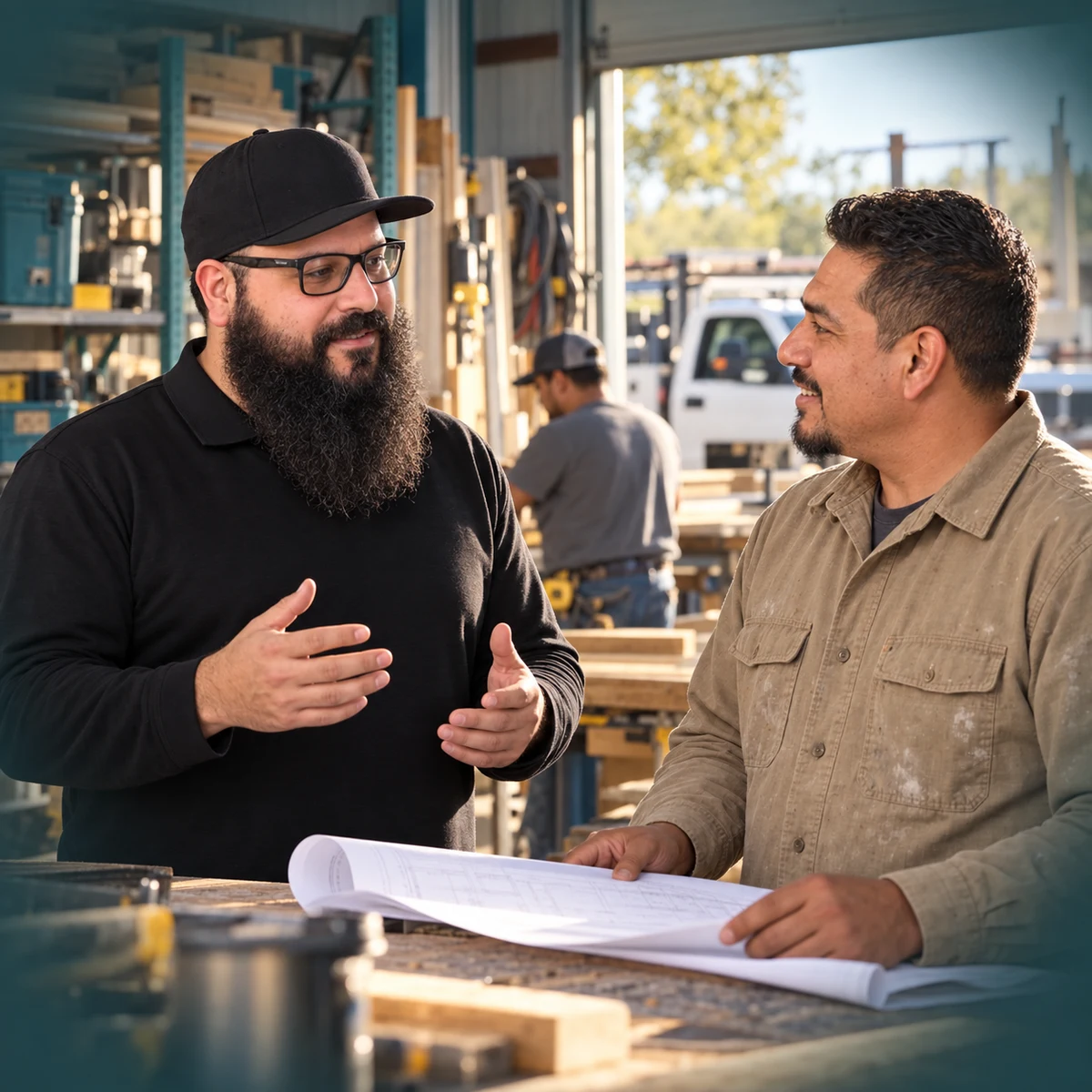
BUSINESS-OWNER EXPERIENCE
Agency Owner | Business Insurance & Operations
Francisco spent 15 years as a business owner before helping lead Echevarria Agency.
He understands the responsibility behind vehicles, equipment, employees, customers, contracts, growth, and reputation.
Contractors may work in a different industry than the business Francisco owned, but many ownership responsibilities are familiar.
How does your business actually get the work done?
That is where Francisco wants the Contractor Insurance conversation to begin.
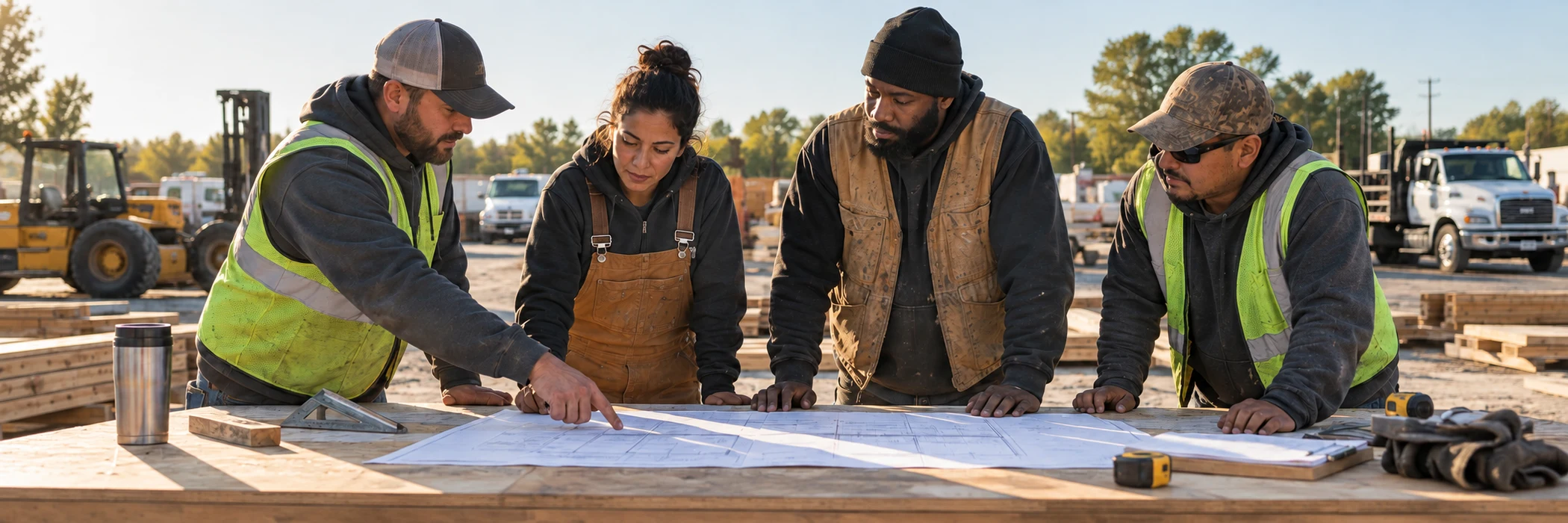
START WITH WHAT YOU ALREADY HAVE
Compare the contractor business you operate today with the company that originally purchased the insurance.
The purpose is not to assume something is wrong.
It is to give today’s contractor business an opportunity to be compared with yesterday’s insurance.
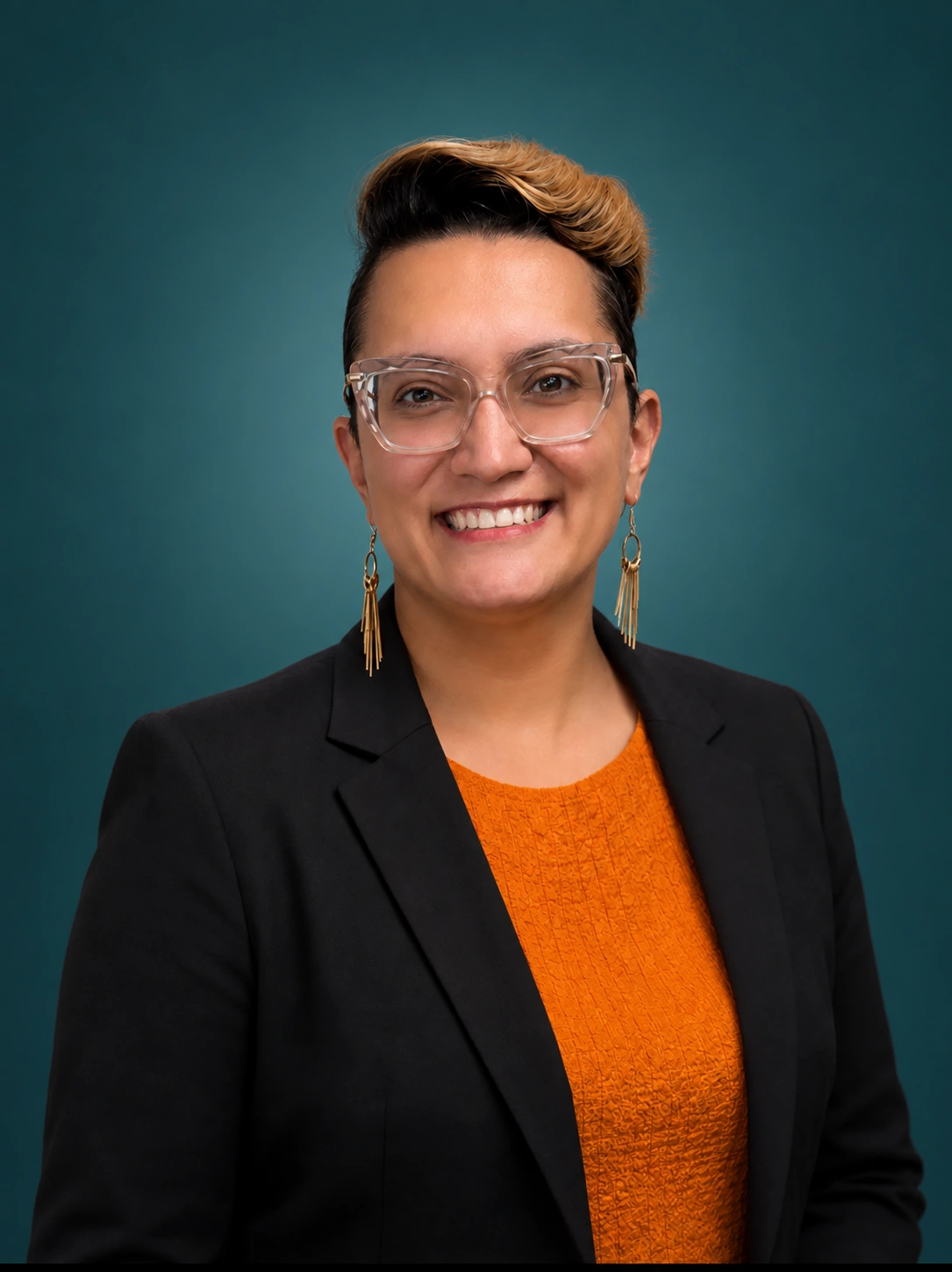
SERVICE AFTER THE SALE
Customer Service & Retention Specialist | English & Spanish
BASED IN KATY. SERVING TEXAS CONTRACTORS.
Echevarria Agency is based in Katy and serves eligible contractor and trade businesses throughout Texas.
The exact trade may vary.
The size of the company may vary.
The vehicles, tools, crews, and equipment may vary.
The starting point stays the same:
Tell us how the company performs the work.Explore Business Insurance in Katy, TX
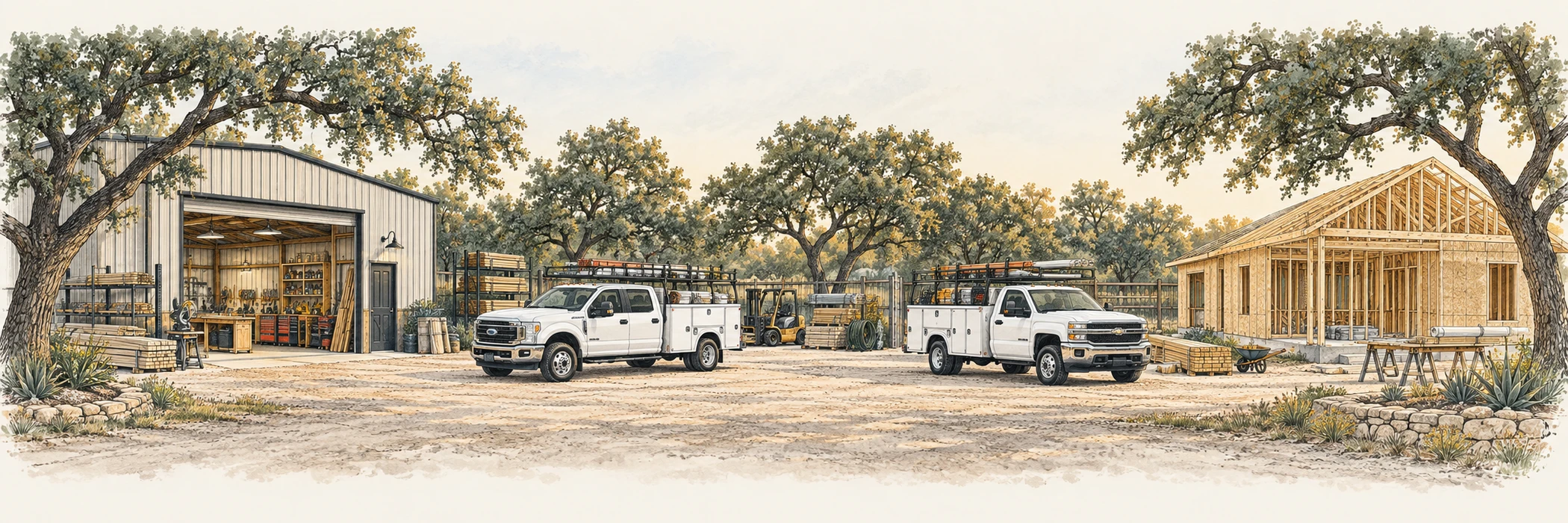
A SIMPLE WAY TO START
General contractor, HVAC, electrical, plumbing, roofing, landscaping, cleaning, or another trade.
Customer homes, commercial properties, construction sites, shop, or multiple territories.
What does the company own, use, transport, and depend on?
Employees, payroll, crews, subcontractors, and operational details.

Already insured? Bring what you have. Responding to a contract? Bring that too.

Understand the recommendations and decide how you want to proceed.
COMMON QUESTIONS
There is no universal insurance package appropriate for every contractor. Trade, operations, vehicles, employees, tools, equipment, property, contracts, subcontractors, and other factors can influence which commercial coverages deserve discussion.
General Liability is an important coverage conversation for many contractors, particularly businesses working at customer locations or facing contractual insurance requirements. Actual needs, eligibility, and coverage depend on the contractor and policy.
Explore General Liability InsuranceIf vehicles are owned or used in connection with the business, Commercial Auto Insurance may deserve consideration. Vehicle ownership, drivers, usage, operations, and policy terms all matter.
Explore Commercial Auto InsuranceDo not assume tools or equipment are automatically covered in every location or circumstance. Property that moves between shops, vehicles, and job sites may require a separate tools/equipment or Inland Marine conversation.
Some contractor businesses may qualify for a BOP depending on operations, trade, property, revenue, claims history, and carrier underwriting. A BOP may not address every contractor exposure.
Explore Business Owner’s Policy InsuranceRequirements vary by agreement. A customer, general contractor, landlord, or other organization may request certain insurance or limits. The actual contract and current policies should be reviewed.
Trade, operations, years in business, revenue, payroll, employees, claims history, location, vehicles, drivers, business property, tools, equipment, limits, deductibles, and carrier underwriting can affect different parts of the insurance program.
Yes. We can begin with your current policies and compare them with the contractor business you operate today.
READY FOR ANOTHER LOOK?
Crews, vehicles, tools, equipment, contracts, and operations can change as your company grows. We can start with what you have now.
Prefer to talk? Call 281-697-6215.